The Refurbished Revolution: Why 2026 Will Be the Year of Second-Chance Smartphones


The Refurbished Revolution: Why 2026 Will Be the Year of Second-Chance Smartphones
The global smartphone market is undergoing a seismic shift. As consumers become increasingly conscious of both their environmental impact and their spending, the refurbished phone industry is experiencing unprecedented growth. What was once considered a niche market for budget-conscious buyers has transformed into a mainstream movement that even luxury consumers are embracing.
In 2026, the refurbished phone market is projected to reach $100 billion globally, representing a compound annual growth rate (CAGR) of over 18%. This explosive growth is driven by a perfect storm of factors: rising new device prices, increasing environmental awareness, and a dramatic improvement in refurbishment quality standards. Major manufacturers like Apple, Samsung, and Google have all expanded their official refurbishment programs, lending credibility to what was once a shadowy secondary market.
The Price-Performance Paradigm Shift
Perhaps the most compelling argument for refurbished phones in 2026 is the stark contrast between cost and capability. A two-year-old flagship device—meticulously refurbished and certified—often outperforms brand-new mid-range alternatives at the same price point.
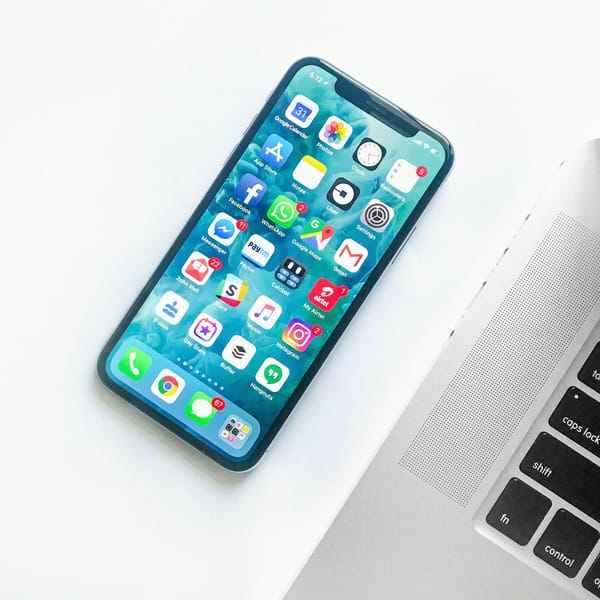
Take the iPhone 14 Pro, for example. In early 2026, a certified refurbished unit with a new battery and warranty costs approximately $480—comparable to many budget Android devices. Yet it offers superior camera systems, build quality, and software support that budget phones simply cannot match. This price-performance advantage is reshaping consumer expectations and purchasing behaviors across all demographics.
Sustainability as a Sales Driver
Environmental consciousness has moved from a nice-to-have to a core purchasing criterion. The production of a single new smartphone generates approximately 85kg of CO2 emissions and requires mining rare earth minerals that devastate local ecosystems. By choosing a refurbished device, consumers extend the lifecycle of existing technology and significantly reduce their carbon footprint.
In 2026, we are seeing B2B procurement teams prioritize refurbished fleets as part of their ESG (Environmental, Social, and Governance) commitments. Companies like Deloitte and Unilever have publicly announced that 50% of their corporate device deployments will be refurbished by 2027. This corporate adoption is creating a virtuous cycle of supply and demand that benefits the entire ecosystem.
Quality Standards and Consumer Confidence
The refurbished phone industry has matured dramatically. Gone are the days of questionable quality and unreliable sellers. Today's certified refurbished phones undergo rigorous 80-point inspections, include genuine replacement parts, and come with warranties that match or exceed new device coverage.
Organizations like the Global Refurbishment Council have established standardized grading systems, making it easier for consumers to understand exactly what they're purchasing. Grade A+ devices are virtually indistinguishable from new, while even Grade B devices offer excellent value for users willing to accept minor cosmetic imperfections. This transparency has been crucial in building consumer trust.
The Rise of AI-Powered Refurbishment
Artificial intelligence is revolutionizing how phones are refurbished. Machine learning algorithms can now diagnose hardware issues with 99.8% accuracy, automate cosmetic grading through computer vision, and predict component failure before it happens. This technological leap has reduced refurbishment time by 65% while dramatically improving quality consistency.
In 2026, we are seeing the emergence of 'smart refurbishment centers' where AI-powered robots handle everything from screen replacement to battery installation. These automated facilities can process thousands of devices daily with precision that human technicians struggle to match. The result is faster turnaround times, lower costs, and more reliable end products.
5G Accessibility for All
The widespread adoption of 5G networks has created another tailwind for the refurbished market. Premium 5G devices launched in 2023 and 2024 are now entering the refurbished ecosystem, making next-generation connectivity accessible to budget-conscious consumers.
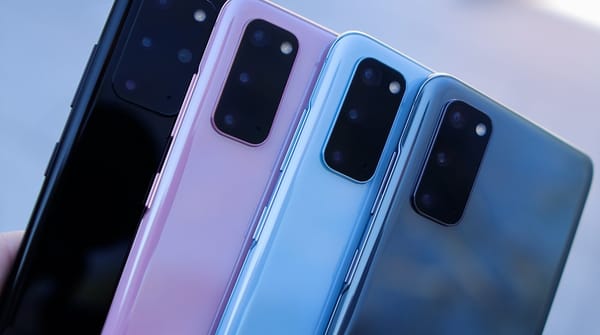
A refurbished Samsung Galaxy S23 Ultra or iPhone 15 Pro provides full 5G capabilities at 40-50% less than current flagship prices. This democratization of cutting-edge technology is particularly impactful in emerging markets, where refurbished 5G devices are often the only affordable path to high-speed connectivity.
Conclusion
The refurbished phone market in 2026 represents more than just a cost-saving opportunity—it's a fundamental reimagining of how we consume technology. As quality standards rise, environmental pressures mount, and economic uncertainties persist, the case for choosing refurbished has never been stronger.
For consumers, businesses, and the planet alike, the refurbished revolution offers a compelling path forward. Whether you're looking to upgrade your personal device or deploy a corporate fleet, 2026 is the year to embrace second-chance smartphones. The technology is proven, the savings are real, and the environmental benefits are undeniable.
Ready to join the revolution? Explore certified refurbished options today and discover why millions of smart consumers are choosing quality, value, and sustainability—all in one package.
Tags: refurbished phones, 2026 trends, sustainability, 5G technology, circular economy, AI-powered refurbishment