The Future-Proof Flip: Your 2026 Blueprint for a Bulletproof Used Phone Sourcing Strategy

Let’s be honest: the used phone market isn’t getting any easier. By 2026, relying on a single supplier won’t just be risky—it could sink your business. We’re facing a new normal of supply chain surprises, rollercoaster pricing, and ever-tightening regulations. To not just survive but thrive, agility is everything.
This guide walks you through building a multi-vendor, zero-risk sourcing strategy—a resilient network designed to turn market chaos into your competitive edge. Let’s future-proof your flipping business together.
Why Putting All Your Eggs in One Basket is a Recipe for Disaster
Remember when one trusted wholesaler was enough? Those days are long gone. Here’s what you’re up against in 2026:
- Tighter Margins: As the market crowds, profits live and die by how efficiently—and smartly—you source.
- Regulatory Whiplash: “Right-to-Repair” and parts pairing can change a phone’s refurb potential overnight. You need suppliers who can pivot just as fast.
- The “Like-New” Expectation: Buyers now demand flawless quality and a clear, sustainable story. Traceability isn’t optional anymore.
- Global Uncertainty: A port closure or new trade rule shouldn’t bring your operations to a halt.
A single supplier turns each of these risks into a direct threat. The future belongs to those who spread out their risk with intention.
Pillar 1: Build Your Sourcing Dream Team (The “Who”)
Think of your vendor network as a balanced portfolio. You need reliability, speed, and specialty all working together.
- Your Volume Anchors (40-50% of Volume): The steady foundation. These are your large, reliable wholesalers for consistent core inventory.
- Your Agile Scalers (30-40% of Volume): The rapid responders. Midsize vendors who can quickly source trending models or fill sudden gaps.
- Your Specialty Niche Players (10-20% of Volume): The experts. They secure rare models, specific brands, or high-grade devices for your premium listings.
- Your Direct Channels (5-10% of Volume): The margin boosters. Consumer buy-back programs, corporate e-waste partners, and auction lots.
The 2026 Rule of Thumb: Never let one supplier account for more than 30% of your inventory. This is your Sourcing Concentration Ratio—your key metric for resilience.
Pillar 2: Vetting Vendors—Trust, but Verify Everything
A promise isn’t a guarantee. In 2026, you need a vetting process that leaves no room for surprises.
Your Go-To Vetting Checklist:
1. The Transparency Test: Ask for a raw IMEI/Serial list from a sample batch before buying. Check for regional locks, blacklist status, and model mix.
2. Grading Alignment: Send them your grading rubric. Require physical samples for each grade they sell. Their “B-Grade” should match yours, exactly.
3. Tech & Logistics Check: Do they use modern systems? Can they provide trackable, consolidated shipping? Is an API available? Their capabilities determine your efficiency.
4. The Non-Negotiable Pilot: Always start with a small, paid order. Stress-test their entire process—communication, shipping, packaging, and most importantly, whether the devices match their claims.
Pillar 3: Locking Down Risk—Your Operational Playbook
Diversification is your strategy; these processes make it work on the ground.
- Dynamic Quality Gates: Use a three-stage check: 1) Pre-shipment samples at their warehouse, 2) Incoming inspection at yours, 3) Final diagnostic before sale. Share defect data with vendors to help them improve.
- Smart Buying Triggers: Replace gut decisions with data. Use market tools to spot rising demand, then task your Agile Scalers to source it. Let pricing data decide which Volume Anchor gets your bulk order this month.
- 2026 Contract Essentials:
- Flexible Volume Terms: Avoid rigid “take-or-pay” clauses.
- Clear Defect Resolution: A defined, timely process for returns and credits.
- Data-Sharing Agreement: For IMEI lists and defect analytics.
- Performance Clause: The right to exit if standards aren’t met.
- The “Emergency Pivot” Plan: Have a written protocol. “If Vendor X fails, we shift Model A orders to Vendor Y within 24 hours.” Practice this drill.
Your 2026 Tech Stack: The Glue That Holds It All Together
You can’t manage a multi-vendor strategy with spreadsheets. You need the right tools.
- A Central Inventory System (IMS): Your single source of truth. Every device from every vendor logs here the moment you order it.
- API Integrations: Automate order placement and sync stock levels with key vendors. This cuts errors and saves you hours.
- Digital QC & Reporting: Use apps to log defects directly to a vendor and batch. Generate automatic vendor scorecards.
- Market Intelligence Tools: Platforms that give real-time pricing, demand forecasts, and sell-through rates to inform your buying decisions.
How to Measure What Matters: KPIs for Resilience
Look beyond “cost per device.” Track the health of your entire operation.
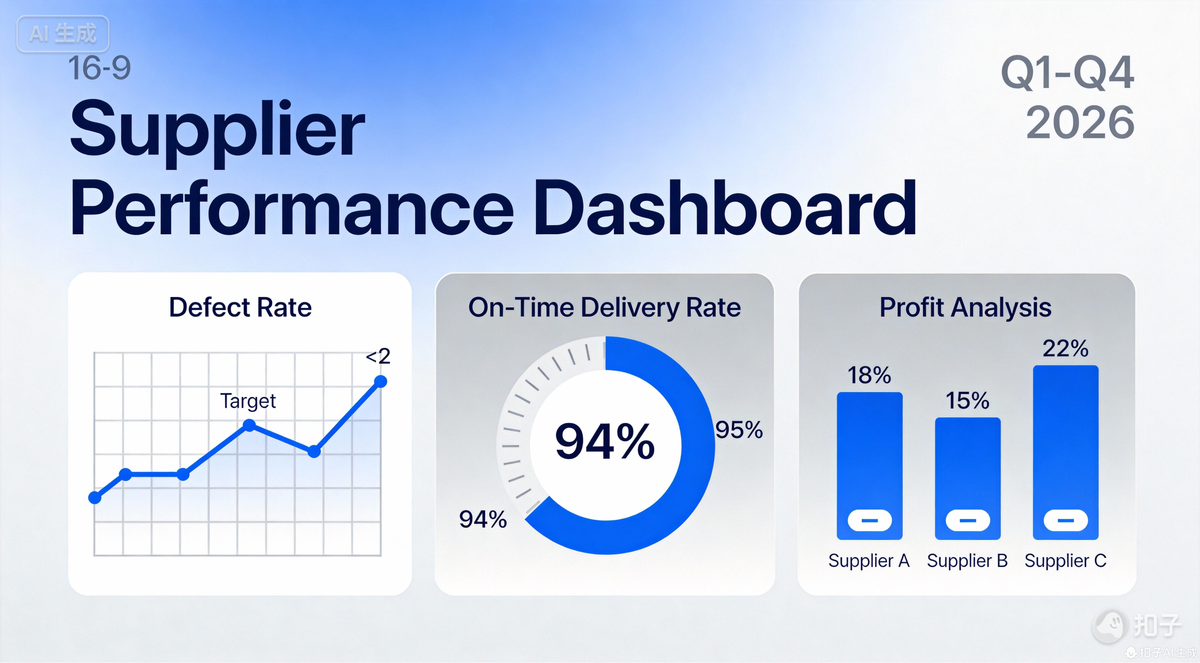
- Vendor Scorecard Metrics: Defect Rate (by grade), On-Time & In-Full (OTIF) %, Dispute Resolution Time, True Profit Per Device (after repair costs).
- Ecosystem Health Metrics:
- Sourcing Concentration Ratio: % of volume from your top supplier (keep it under 30%).
- Cost of Quality: Total spend on rework, returns, and defect handling.
- Inventory Turnover by Source: Whose stock sells fastest?
- The Ultimate Test: Sourcing Agility: Can you move 30% of your volume to backup suppliers within two weeks without major cost or quality issues? Try it and see.
From Fragile to Unbreakable
By 2026, a multi-vendor, zero-risk approach won’t be a clever advantage—it’ll be the baseline for staying in business. This strategy transforms your flipping business from fragile (breaking under pressure) to anti-fragile (getting stronger from volatility).
Your First Moves This Quarter:
1. Audit: Calculate your current Sourcing Concentration Ratio. The number might shock you.
2. Research: Identify one potential Volume Anchor and one Specialty Niche Player to start vetting.
3. Systemize: Document your grading standards and QC process. This is your foundation for all vendor talks.
Start building your resilient network now. In the future-proof flip, your real asset isn’t just the inventory—it’s the powerful, agile system you build to find it.